
What is Right to Manage, and how does it actually work?
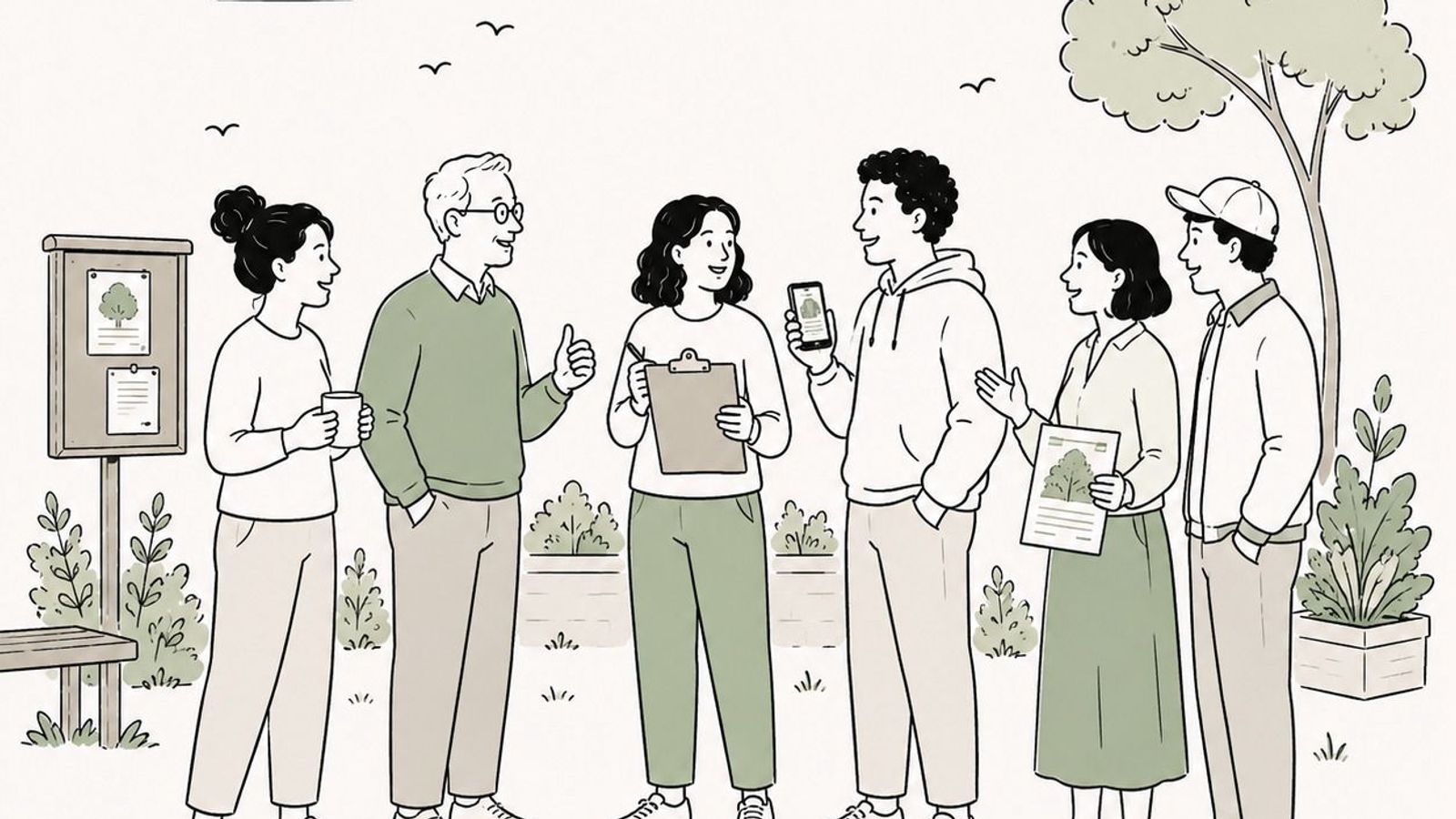
If your service charges keep climbing, your managing agent ignores your emails, or you just want a say in how your building is run, there is a law on your side. It is called Right to Manage, and it lets you and your neighbours take over the management of your building without buying the freehold and without proving anyone did anything wrong.
Here is what it is, how the process works step by step, and where we come in.
The short version
Right to Manage (RTM) is a legal right for leaseholders in England and Wales. You and the other leaseholders form a company, follow a set process, and the right to manage your building transfers to you on a fixed date. The freeholder cannot stop you if you qualify and follow the steps correctly.
A few things people are often surprised to learn:
- You do not buy anything. The freeholder keeps the freehold. You take over the management, which is the part that affects your bills and your day to day.
- You do not have to prove fault. You do not need to show your agent has been negligent. You can do this simply because you want more control or lower costs.
- You do not need everyone on board. You need half the flats, not all of them.
Does your building qualify?
Most blocks of flats do. The main tests are:
- The building is at least two thirds flats, with no more than half the floor space used for non-residential purposes (a shop on the ground floor is usually fine).
- There are at least two flats.
- At least two thirds of the flats are held by qualifying tenants, meaning leaseholders on a long lease (originally granted for more than 21 years). Almost all flat leases qualify.
To actually start a claim, you need at least half of the flats in the building signed up to take part. That is half exactly, not a majority: in a 6-flat building you need 3, in a 10-flat building you need 5, in a 20-flat building you need 10. The one exception is a building of just two flats, where both have to join.
How we help: Our free eligibility checker tells you in minutes whether your building qualifies, so you are not guessing or paying a solicitor just to find out. Sign up and your free building hub shows you what your building looks like on paper, including an estimate of what buying the freehold would cost if you ever wanted to go further.
Step by step: how the process runs
Step 1: Get your neighbours on board
You need at least half the flats committed. This is usually the hardest part, not because people disagree, but because organising a building full of busy people takes effort. Most leaseholders want lower costs and better management once they understand it is possible.
How we help: We give you a clear, shared view of where your building is in the process, so everyone can see what is happening and what is needed from them. You can track who has joined as you go, and your neighbours can see the case for themselves rather than taking your word for it. The strongest argument is usually the number: when people see what they could save, the conversation gets a lot easier.
Step 2: Set up the RTM company
The right is exercised through a specific type of company: a private company limited by guarantee, with a particular name, structure, and set of rules. Get any of it wrong and the whole claim can fail later, so it has to be exactly right.
How we help: Here's how this works in the platform: you enter your building's details, and the platform assembles the registration correctly, ready for your directors to submit to Companies House in one click. The filing fee is covered. You and your neighbours become the members. The rest of the setup, like nominating directors and opening the company's bank account, we walk you through with everything laid out in order.
Step 3: Invite everyone to participate
Before you make your formal claim, the company has to formally invite every other qualifying leaseholder to join. This gives everyone the chance to take part, and it starts a waiting period that has to run its course before you can move on.
How we help: The platform produces the right paperwork from standard templates and tells you exactly who needs it and when, so nothing gets missed and nothing gets challenged later on a technicality. The clock that governs what you can do next is tracked for you, so you always know the earliest date you can take the next step.
Step 4: Make your claim
This is the moment the right is claimed. A formal notice goes to the freeholder, and from the day it lands, a fixed legal timetable begins. This notice is the single most important document in the whole process, and the smallest error in it is exactly what a freeholder's solicitor looks for to throw the claim out. This is where people who try to do it alone most often come unstuck.
How we help: The platform generates this notice from the prescribed statutory form, complete and consistent with your earlier steps. You serve it, and from that point every key date locks to the real statutory clock and is tracked for you, so you are never wondering what happens next or when.
Step 5: The freeholder responds
Once the claim is in, the freeholder has at least a month to reply. They can accept it, or they can dispute it, but only on narrow legal grounds, essentially that the process was not followed or the building does not qualify. If there is no valid objection, they cannot stop you, and many claims simply go through unopposed.
How we help: We set out the possible responses in general terms and track the statutory deadline for each, so you always know what happens next. Because the earlier steps were done properly, there is usually nothing legitimate for them to challenge, which is the whole point of getting the paperwork right the first time.
Step 6: Take over your building
If the freeholder does not successfully dispute the claim, management transfers to your company on the date set in your notice, typically around two to four months after you serve it. The building's reserves and unspent service charge money come across to you. From that day, you control the budget, choose the contractors, and decide how your building is run.
How we help: We get you to this point with every step done in the right order at the right time, and we guide the handover so money and responsibilities transfer cleanly. This is the point most people think of as the finish line, but it is really the start, and running the building from here is its own job, which is the next thing we help with.
What you actually get
Once management transfers, you decide how the money is spent. That means you can put services out to tender instead of accepting your agent's preferred suppliers, drop the management fee you were paying for poor service, and stop overpaying on a service charge you had no say in. For many buildings the savings run into hundreds of pounds per flat, every year.
But it is not only about the money. It is about not being treated as the problem when you raise an issue in your own home.
Is it worth it?
For a typical building, RTM costs a fraction of one year's savings, and the savings repeat every year after. You take back control of your largest shared asset, and you stop paying someone else to manage it badly.
If you have ever raised an issue and just been sent a bill, this is the way out.
Take control. Run the block. Save thousands.
See if your building qualifies in minutes. Test it today.
Free The Flat helps leaseholders in England and Wales through Right to Manage, buying the freehold, and self-managing their buildings. We are not a law firm and this is not legal advice. For case-specific questions, speak to our team or a qualified professional. Right to Manage applies in England and Wales only; Scotland and Northern Ireland differ.
Ready to take control of your building?
See what you could save and find the right route for your block.