What is Collective Enfranchisement?
Collective enfranchisement is the legal right for leaseholders to buy the freehold of their building together. Full ownership, no ground rent, lease extensions in your control. Here's how it works, what it costs, and whether it's the right move for your block.
Owning the building, together
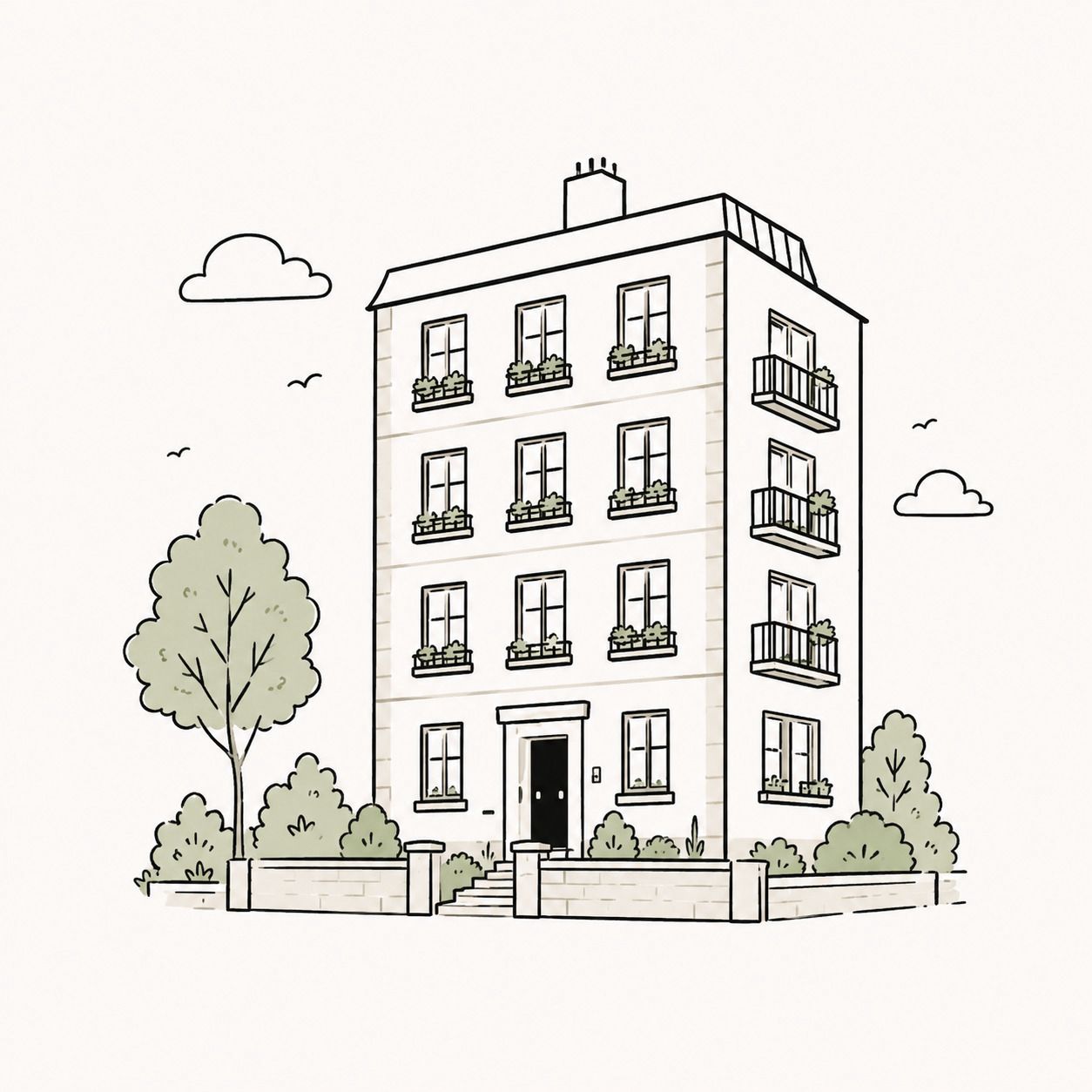
Club together with your neighbours, buy the freehold, and the building belongs to its residents. You stop paying ground rent, grant your own lease extensions, and control every decision. It's the biggest step leaseholders can take, and the most involved: a purchase, a valuation, and a negotiation with the freeholder.
Is your building eligible?
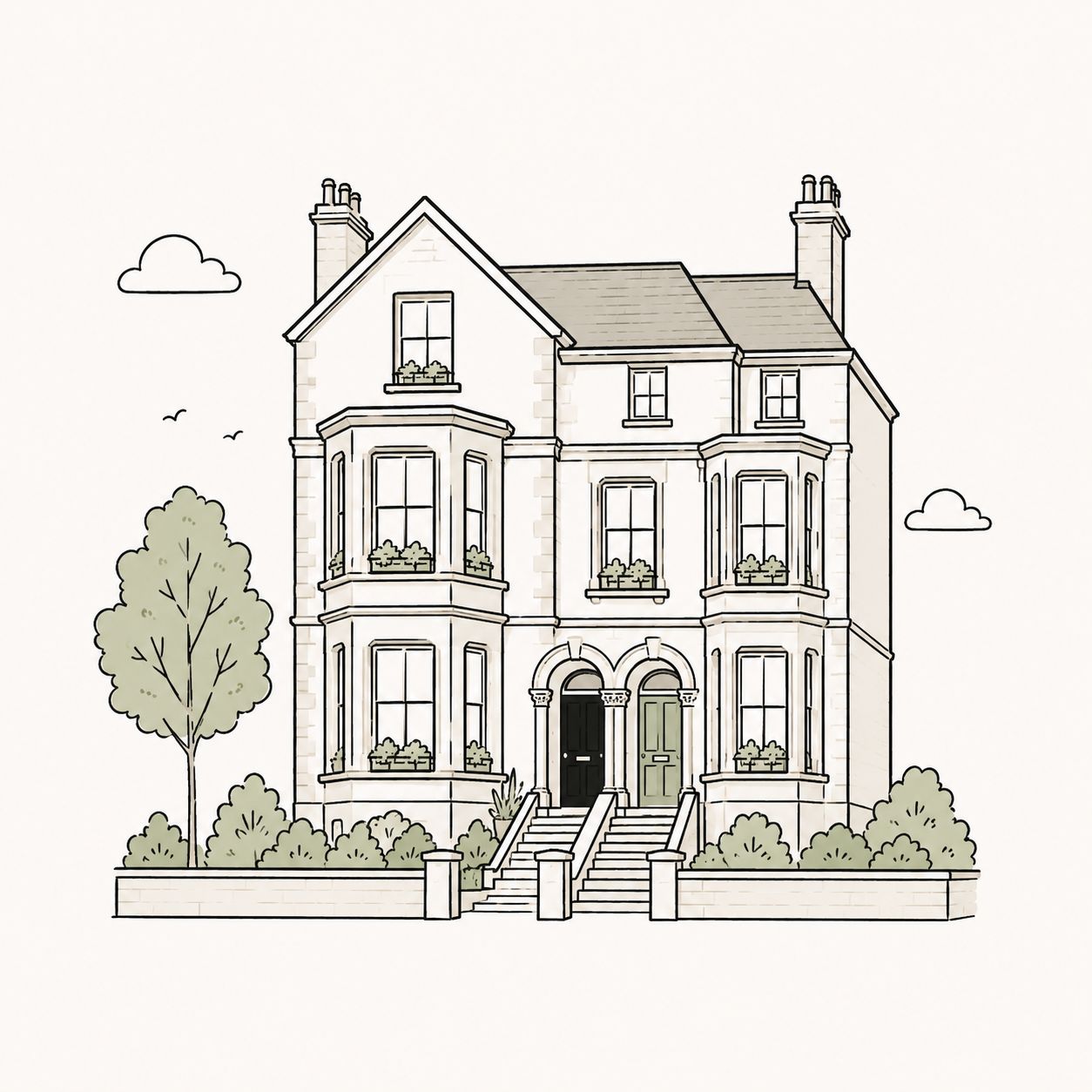
Converted houses
Houses split into flats qualify, however small.
Purpose-built blocks
Most blocks of flats qualify.
Estates and multiple blocks
Each block claims separately. We handle buildings of every shape.
The legal tests, in plain terms
- Your building has at least two flats
- At least two-thirds of the flats are held by qualifying tenants (leaseholders with leases originally granted for more than 21 years, plus some other criteria)
- Leaseholders of at least half the flats take part (both, if there are only two flats)
- The building is at least 75% residential. No more than 25% of the internal floor area is commercial
Every building is different, and a few more checks can apply depending on yours. The eligibility check covers them all.
The honest numbers
The main cost is the freehold itself: you compensate the freeholder for its value, often tens of thousands across the building, plus professional fees.
Typically six to twelve months, sometimes longer if the valuation is disputed.
Your building's number is knowable before you commit.
One thing you should know
Government reform is changing how freehold valuations work. Figures that hold today may shift as the Leasehold and Freehold Reform Act rolls out. We track the changes and keep you informed, so you're never working from stale numbers.

Right move, right order
Many blocks start with Right to Manage instead: control of the building in months, without buying anything. An organised block that already runs itself knows its costs, has its paperwork in order, and is in a far stronger position to buy the freehold later. Get your estimate, compare both routes, and choose the order that fits your block.
"We finally got transparency across all our costs. Everything suddenly became 50% cheaper."
Philippa, Nicosia Road, London
Residents are the best people to run their own building. You know the block, you know what it needs, and when everyone is coordinated on one platform, the work is genuinely manageable.
Questions, answered